
Bathroom & Personal Care Products
The products we use on our bodies every day — from shampoo and lotion to deodorant and body wash — can expose us to harmful chemicals, even though they’re often marketed as health and wellness products.
Because we use them so frequently and directly on our skin, even small amounts of certain ingredients can build up over time. Some of these chemicals are known to disrupt hormones and contribute to long-term health concerns.
“The products we put on our bodies every day can be more hazardous to our health than industrial or environmental pollution because of the frequency of use and contact with skin.” (Lee et al., 2022)
While this can feel overwhelming, the good news is that reducing products and swapping them adds up to protect your health and your family’s future.
Common Misconceptions
Many people assume the products on store shelves have been thoroughly tested for safety. Unfortunately, that’s not the case:
- Cosmetics are strictly regulated
- In reality, the U.S. Food and Drug Administration (FDA) has very limited authority over cosmetics. In 2024, its budget for overseeing the multi-billion-dollar industry was $133 million.
- In reality, the U.S. Food and Drug Administration (FDA) has very limited authority over cosmetics. In 2024, its budget for overseeing the multi-billion-dollar industry was $133 million.
- Products must be proven safe before they’re sold.
- Companies are not required to conduct long-term health studies, nor do they need to study how different ingredients interact with each other.
- Companies are not required to conduct long-term health studies, nor do they need to study how different ingredients interact with each other.
- Expensive or luxury products are safe
- Companies are not required to conduct long-term health studies, nor do they need to study how different ingredients interact with each other.
- Companies are not required to conduct long-term health studies, nor do they need to study how different ingredients interact with each other.
- Labels and ads are closely monitored.
- Cosmetic companies face little oversight when it comes to marketing. They can advertise benefits that aren’t fully backed by evidence.
- Cosmetic companies face little oversight when it comes to marketing. They can advertise benefits that aren’t fully backed by evidence.
- Children’s and baby products are more strictly regulated.
- Sadly, products marketed to children, tweens, and even infants are held to the same weak standards as adult products.
- Sadly, products marketed to children, tweens, and even infants are held to the same weak standards as adult products.
- If it’s sold as self-care, it must be good for me.
- The wellness industry often markets cosmetics as ways to relax or care for yourself, but many of these products contain ingredients that may do the opposite for your health.
What are EDCs?
Endocrine-disrupting chemicals (EDCs) are chemicals that look a lot like our natural hormones — such as estrogen, testosterone, or other androgens. Because of this, they can “trick” the body into thinking these hormones are present.
Over time, these disruptions can contribute to negative health effects, from fertility issues to chronic disease.
What are Hormones, and why are they important? Learn more here.
Click to explore conditions linked to hormone disruption.
- Reproductive Disorders
- Infertility: A significant body of research points to EDCs as contributing factors to infertility in both men and women. Studies have specifically linked pesticide exposure to reduced sperm count and quality in men, as well as lower fertilization rates during in vitro fertilization (IVF) procedures.
- Endometriosis: Exposure to certain organochlorine pesticides has been consistently associated with an increased risk of developing endometriosis in women. Specific pesticides, such as beta-hexachlorocyclohexane and mirex, have been identified as potential contributors to this increased risk.
- Polycystic Ovary Syndrome (PCOS): EDCs, particularly plasticizers like bisphenol A (BPA), have been linked to the development and progression of polycystic ovary syndrome.
- Premature Ovarian Insufficiency (POI): The possibility of EDCs, including certain pesticides, acting as risk factors for premature ovarian insufficiency has also been suggested by research.
- Abnormal Sexual Maturation: Exposure to a variety of pesticides and other EDCs has been shown to potentially affect normal sexual development and maturation in both males and females. This can manifest as either early or delayed puberty, as well as abnormalities in the development of reproductive organs.
- Infertility: A significant body of research points to EDCs as contributing factors to infertility in both men and women. Studies have specifically linked pesticide exposure to reduced sperm count and quality in men, as well as lower fertilization rates during in vitro fertilization (IVF) procedures.
- Metabolic Issues
- Diabetes: A strong association has been found between exposure to EDCs and an increased risk of developing type 2 diabetes and other metabolic disorders.
- Obesity: Similarly, EDCs have been implicated in the development of obesity and metabolic syndrome, contributing to the growing global prevalence of these conditions.
- Thyroid Dysfunction:Certain EDCs, such as some flame retardants and industrial chemicals, have the capacity to interfere with the normal function of the thyroid gland, which is essential for regulating metabolism.
- Diabetes: A strong association has been found between exposure to EDCs and an increased risk of developing type 2 diabetes and other metabolic disorders.
- Developmental Problems
- Neurodevelopmental Disorders: EDCs have been increasingly linked to neurodevelopmental disorders, including attention deficit hyperactivity disorder (ADHD), Parkinson's disease, and Alzheimer's disease.
- Developmental Malformations: Exposure to EDCs during critical developmental windows can lead to a variety of developmental malformations. These can include issues such as low birth weight, an increased risk of preterm birth, and alterations in the normal development of organs and systems.
- Neurodevelopmental Disorders: EDCs have been increasingly linked to neurodevelopmental disorders, including attention deficit hyperactivity disorder (ADHD), Parkinson's disease, and Alzheimer's disease.
- Cancer
- Hormone-Sensitive Cancers: EDCs have been strongly implicated in increasing the risk of hormone-sensitive cancers, such as breast, prostate, testicular, and ovarian cancers. The tragic example of diethylstilbestrol (DES) highlights the potential for prenatal exposure to certain EDCs to lead to the development of rare cancers later in life.
- Citations
- Endocrine-Disrupting Chemicals: An Endocrine Society Scientific Statement - PMC, 2009
- Latest Science Shows Endocrine Disrupting Chemicals in Plastics, Pesticides, and Other Sources Pose Health Threats Globally, 2024
- Disease Burden & Costs Due to Endocrine-Disrupting Chemicals | NYU Langone Health
- Pesticide-Induced Diseases: Endocrine Disruption
- Endocrine Disruptor Chemicals and Children’s Health, 2023
- Environmental Endocrine-Disrupting Chemical Exposure: Role in Non-Communicable Diseases, 2020
- Fetal Exposure to Low Levels of the Plasticizer DEHP Predisposes the Adult Male Adrenal Gland to Endocrine Disruption, 2016
- Pesticide Consumption May be Linked to Male Infertility, Harvard Study Suggests | News, 2024
- Adult Organophosphate and Carbamate Insecticide Exposure and Sperm Concentration: A Systematic Review and Meta-Analysis of the Epidemiological Evidence | Environmental Health Perspectives | Vol. 131, No. 11, 2023
- Pesticide Exposure May Reduce IVF Success, 2024
- Pesticides in produce linked with reduced fertility in women | Harvard T.H. Chan School of Public Health, 2017
- Pesticide exposure from fruits, vegetables could lower male fertility | Harvard T.H. Chan School of Public Health, 2024
- The impact of endocrine disruptor chemicals on oocyte/embryo and clinical outcomes in IVF - PMC, 2020.
- Endocrine-Disrupting Chemicals (EDCs), 2022
- From Environmental to Possible Occupational Exposure to Risk Factors: What Role Do They Play in the Etiology of Endometriosis? - PMC, 2021
- Organochlorine Pesticides and Risk of Endometriosis: Findings from a Population-Based Case-Control Study, 2013
- Reproductive Health | Pesticide Action & Agroecology Network (PAN)
- Exposure to Pesticides Increases Risk of Endometriosis, 2013
- Plastics, EDCs & Health: Authoritative Guide | Endocrine Society, 2020
- Endocrine Disruptors: What Are They and How Do They Affect Us? - Blog - ISGLOBAL, 2023
- Reproductive Health Risks Associated with Occupational and Environmental Exposure to Pesticides - PMC, 2021
- Theo Colborn and Endocrine Disruption
- The Latest in the Fight Against Endocrine Disruptors | International Joint Commission, 2017
- "Developmental Effects of Endocrine-Disrupting Chemicals in Wildlife and Humans" (1993), by Theo Colborn, Frederick S. vom Saal, and Ana M. Soto | Embryo Project Encyclopedia, 2014
- Adverse Effects of Plasticizers and Pesticides on Female Reproductive Health, 2022
- Plasticizers and Cardiovascular Health: Role of Adipose Tissue Dysfunction, 2021
- Endocrine Disruptor Exchange | Theo Colborn
- A review of the endocrine disrupting effects of micro and nano plastic and their associated chemicals in mammals, 2023
- Endocrine Disruptors | National Institute of Environmental Health Sciences
- Endocrine Disrupting Chemicals: Threats to Human Health | IPEN, 2024
- Overview of Endocrine Disruption | US EPA
- Assessing the Risks of Pesticide Exposure: Implications for Endocrine Disruption and Male Fertility, 2024
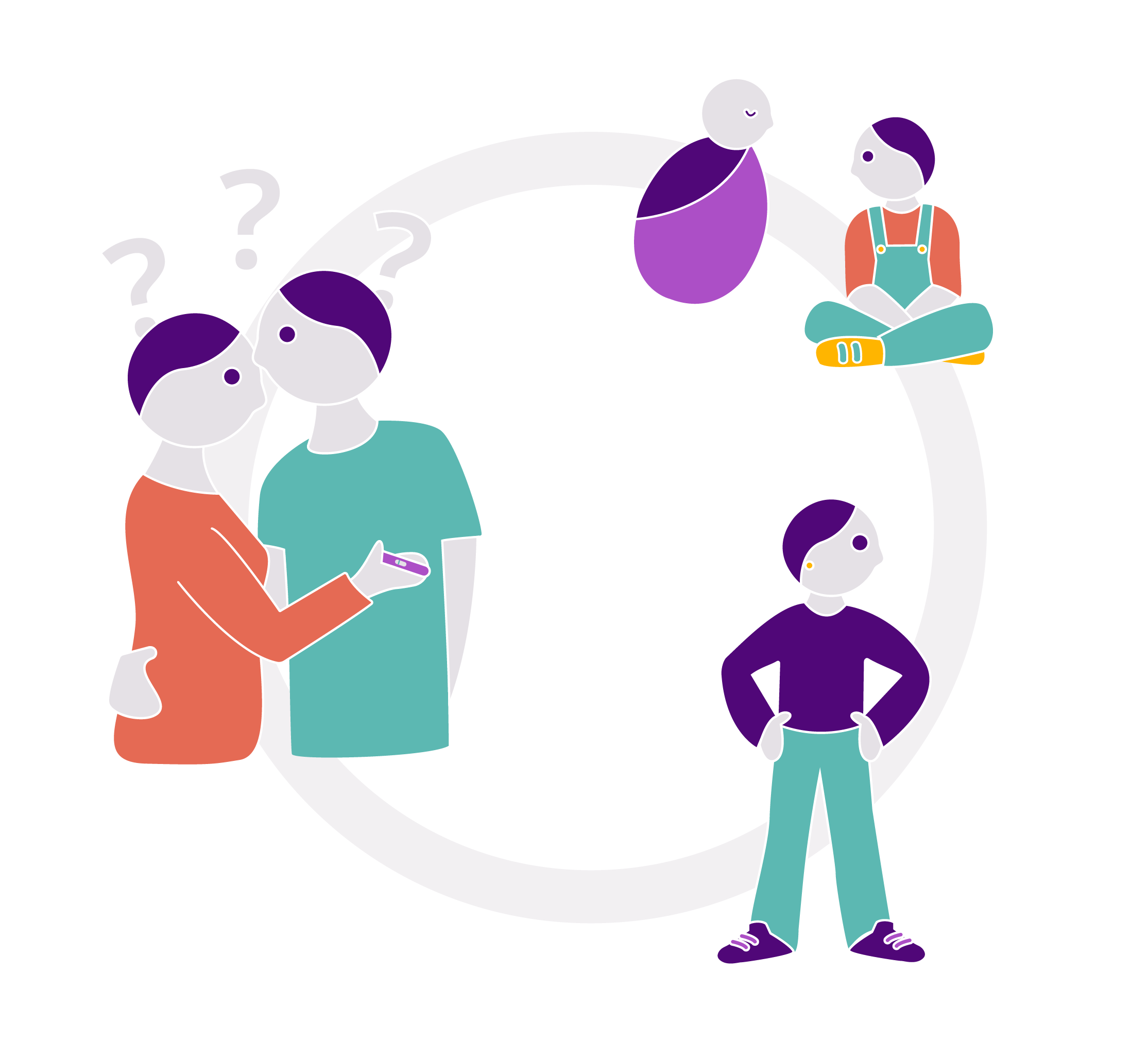
Exposure to EDCs doesn’t affect everyone in the same way. Certain stages of life are especially sensitive to hormonal disruption:
- Preconception
- EDCs can affect fertility in both women and men.
- Pregnancy
- Maternal exposures directly shape fetal development.
- Infancy & Childhood
- Rapid growth and smaller body size increase vulnerability to EDCs.
- Puberty
- Hormonal shifts make the body sensitive to EDCs.
You can control what you bring into your home and put on your body today.
These choices make a positive difference for your health, even if you can’t change your genes or every part of your environment.
Many personal care ingredients are not tested for long-term health impacts or are fully regulated, so using less and choosing safer options puts more power back in your hands.
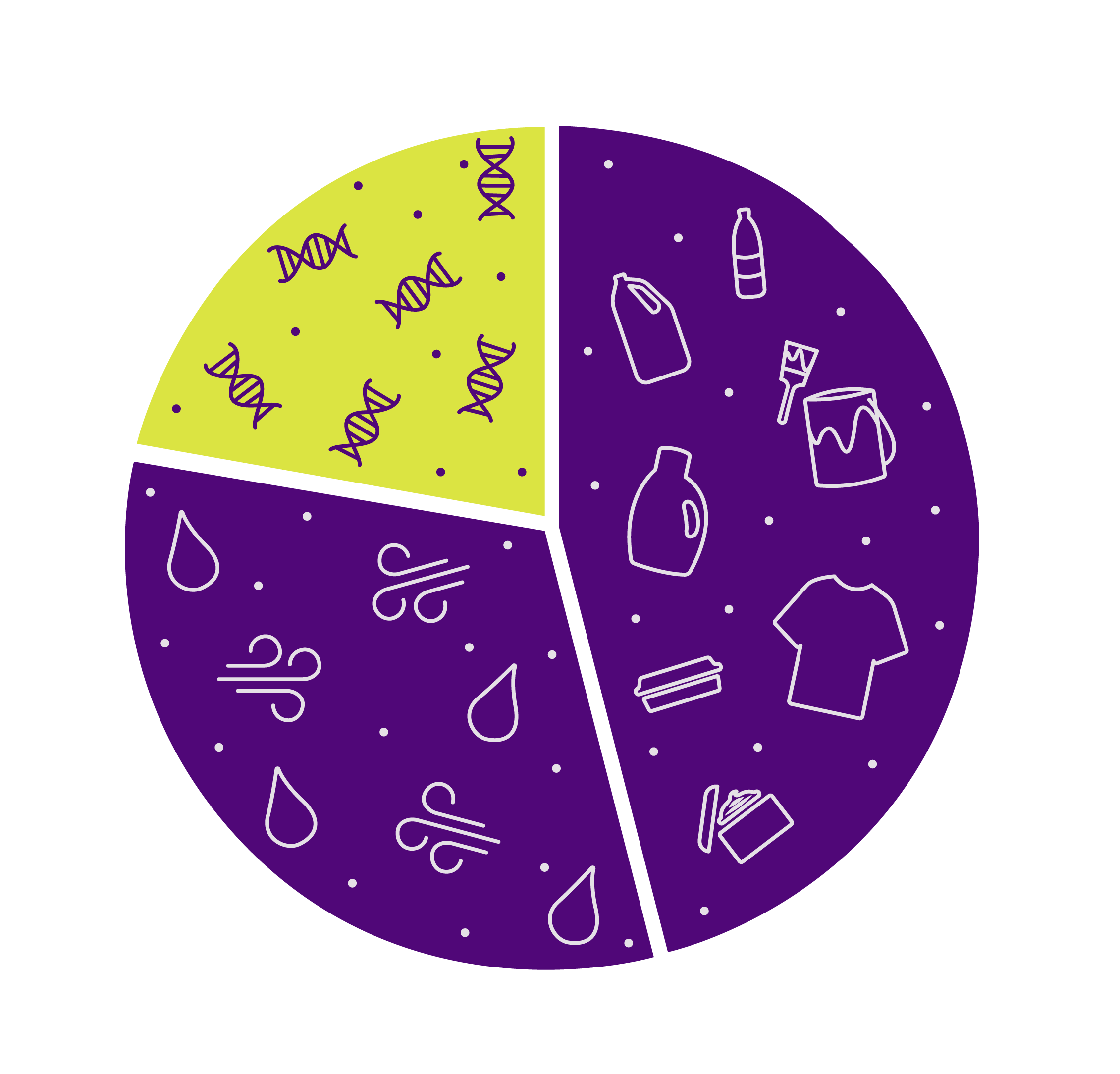
Rethink What Self-Care Means
Reduce the Number of Products You Use
The idea of needing a dozen serums, masks, and mists to have healthy skin comes from marketing, not medicine.
Most of these products aren’t independently tested to prove they do what the ads promise anyway. The beauty industry’s job is to convince you that more means better — more steps, more products, more profit.
But using fewer products lowers your chemical load, saves money, and honestly, you’ll probably look the same (if not better).
Impact of Personal Care on the Environment
Petrochemicals are not only the main drivers of climate change — they’re also the foundation of many of the ingredients and packaging materials in our personal care products. The same petrochemicals used to make plastics are key components in lotions, shampoos, and cosmetics.
Many of these substances are endocrine-disrupting chemicals (EDCs), which interfere with hormonal systems and have been linked to serious health issues such as cancer, neurodevelopmental disorders, infertility, and metabolic diseases (like obesity and type 2 diabetes).
The average person uses around 14 personal care products every day, potentially exposing themselves to over 100 chemical ingredients—many derived from petrochemicals. These same products also use large amounts of drinkable water during manufacturing and disposal, and their plastic packaging adds to landfill waste and ocean pollution.
By using fewer products or choosing safer, petrochemical-free alternatives, you can lower your exposure to harmful chemicals and reduce demand for fossil fuels.
Quick Tip: Spotting Petrochemicals in Personal Care Products
Look for ingredients that sound like they come from petroleum or plastics. Common red flags include words like mineral oil, petrolatum, paraffin, propylene glycol, polyethylene, and anything ending in “-eth,” “-ane,” or “PEG.” These are often derived from crude-oil.
Help us shape this initiative
Take this short survey and share with us what information would be most useful to you.
As we create new resources tailored to our community, explore these national tools to get started. Even though harmful chemicals are everywhere, these make it easier to find safer options for you and your family.
Resources
Clearya
 Clearya can alert on ingredients linked with cancer, infertility, baby developmental harm, hormone imbalance, chemicals that are banned in Europe, ingredients that may cause an allergic reaction and more. This app and browser extension vets ingredients’ safety by matching them against thousands of hazardous chemicals identified by scientists and regulators around the world. When you browse products that contain toxics, Clearya can suggest safer alternatives sold by the same store. You can also take a photo of the ingredient list and have it analyzed by the Clearya app on the spot
Silent Spring Institute
 DetoxMe app
Silent Spring’s Detox Me app is a clean lifestyle guide that walks you through simple, research-based tips on how to reduce exposure to toxic chemicals where you live, work, and play. The free mobile app draws on more than 20 years of research by Silent Spring Institute on the health risks associated with toxic chemicals in our everyday environment, turning this vast knowledge into practical advice for healthier living.
Environmental Working Group
Skin Deep Database In 2004, EWG launched Skin Deep to fill the gap by educating the public about the ingredients in their cosmetics and personal care products. Skin Deep makes it easier for shoppers to understand potential hazards and health concerns related to ingredients in cosmetics and personal care products.

EWG’s Healthy Living App From snacks to shampoos: We are exposed to chemicals every second, yet we know very little about them. To help you navigate this complicated world and make safer choices, EWG combined two of their most popular resources, the Skin Deep and Food Scores databases, to form the Healthy Living App. Now EWG's trusted ratings for more than 120,000 food and cosmetics products are at your fingertips.